
Electric mobility in Colombia: EV trends reshaping urban logistics
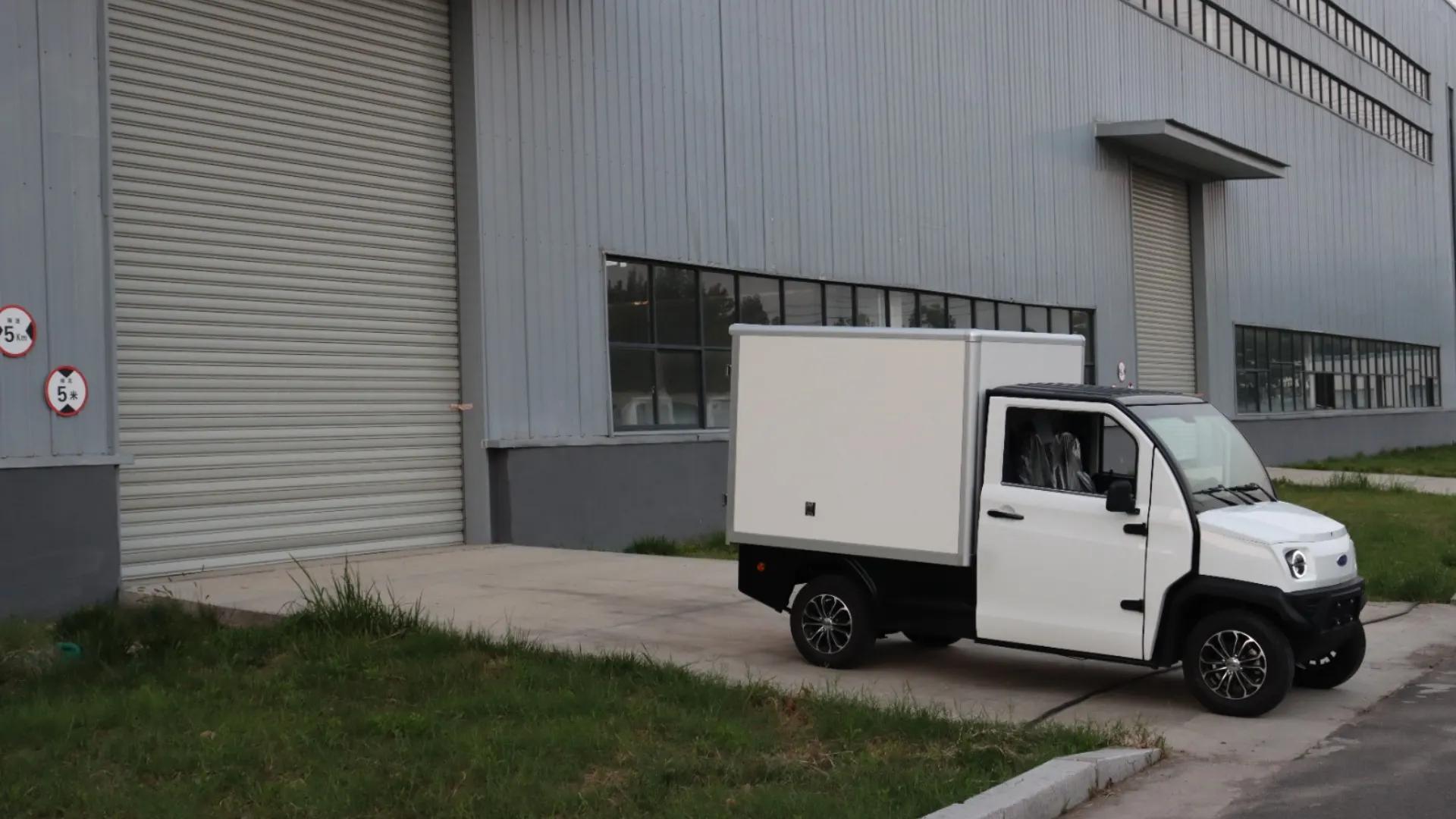
The electric vehicle landscape in Colombia is changing at high speed, with direct implications for urban logistics, e-commerce, and supply chains. What was an experiment just a few years ago is now reality at scale: commercial electric fleets operating in last-mile delivery, food distribution, retail, parcel, and B2B services.
Trend 1: Growth of Commercial Electric Fleets
More companies are adopting electric vans, electric delivery trucks, and electric motorcycles as a core part of their value proposition in cities. This is proving economic and operational viability in real-world scenarios, not just pilots.
Leading e-commerce, retail, and logistics companies no longer see electric vehicles as an experimental option, but as the foundation of their long-term urban operations strategy.
Trend 2: Electric Renting and Leasing Models
The growth of electric mobility through renting has lowered the upfront investment barrier. Specialized leasing companies offer contracts that include the vehicle, maintenance, insurance, and in many cases charging solutions.
This makes it easier for logistics operators to test and scale electric fleets without heavy CAPEX, accelerating adoption and reducing the perceived risk of the transition.
Trend 3: Integration with Sustainability and ESG Goals
Many global and local companies are setting zero-emission targets for the last mile, which requires moving to low-carbon logistics in markets like Colombia.
Operating an electric delivery fleet is already a differentiating criterion in tenders, RFPs, and agreements with major brands. Companies that cannot demonstrate a commitment to sustainability are losing business opportunities.
Trend 4: Regulatory and Competitive Pressure
The combination of new efficiency standards, electric mobility incentives, and air quality policies will make electric vehicles the dominant option in urban segments before 2030.
Companies that fail to adapt their fleet model will face more restrictions, higher fuel costs, and potential disadvantages in commercial processes against competitors that have already made the transition.
Opportunities for Commercial and Marketing Teams
For commercial, marketing, and business development teams, now is the ideal moment to position sustainable last-mile services, green deliveries, zero-local-emission logistics, and electric fleets in Colombia.
Consumers increasingly value brands that demonstrate genuine environmental commitment, and electric logistics is a visible, effective way to communicate it.
Technical and Operational Capabilities
For technical and operations teams, the focus should be on building capabilities in:
• Battery and life-cycle management
• Fleet data analysis and telemetry
• Route design optimized for electric vehicles
• Integration of charging infrastructure into facilities
Conclusion: The Future Is Now
The conclusion for the Colombian market is clear: electric mobility applied to logistics is no longer a future trend — it is a present-day competitive factor.
Companies that make the move now will not only cut costs and emissions; they will build a leadership position in an environment where electric last-mile vehicles will be the norm, not the exception.