
Electric mobility in Mexico 2026: trends for logistics, fleets, and the last mile
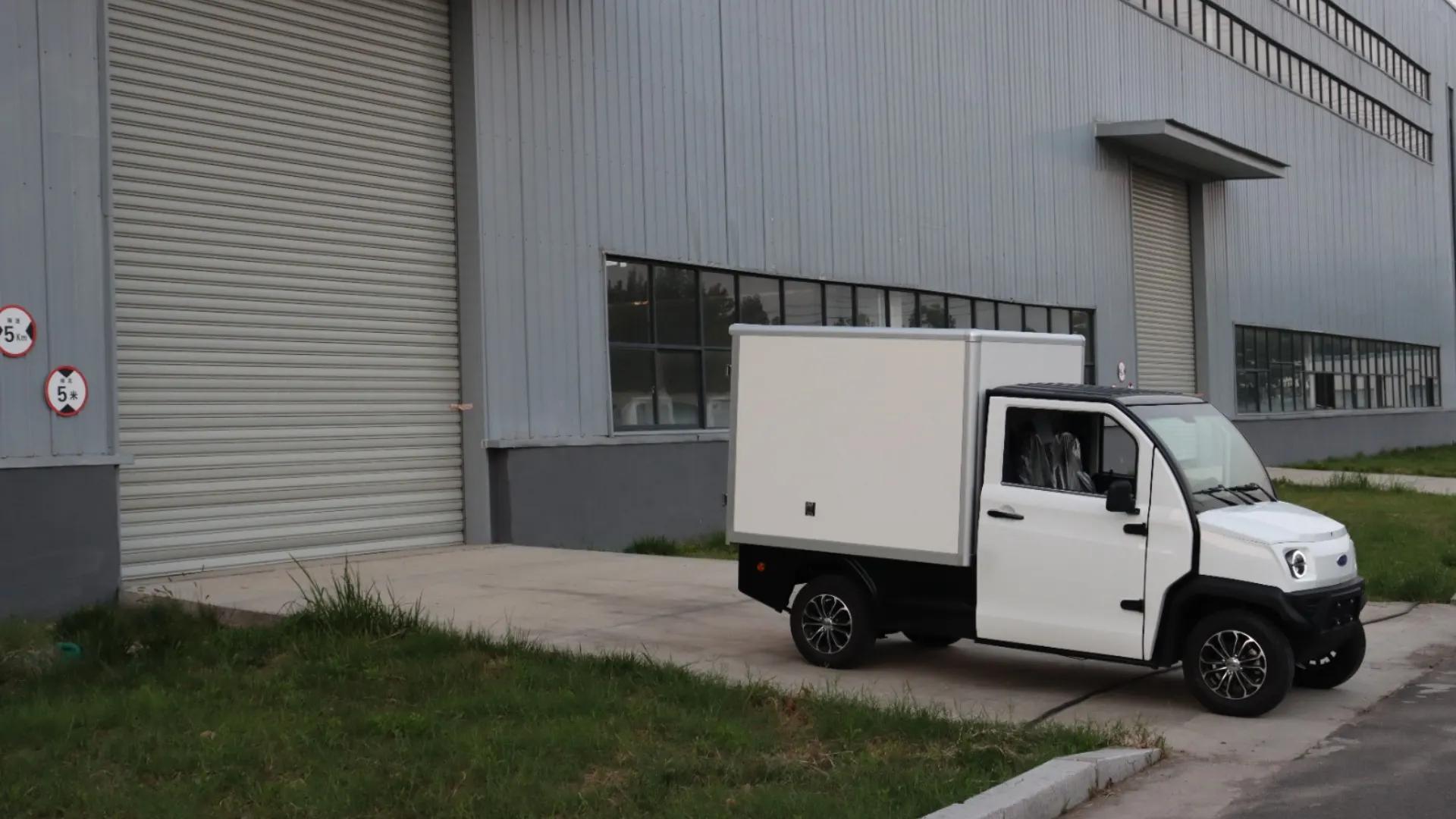
Mexico is consolidating its industrial leadership in electric mobility across Latin America. Record 2025 sales and domestic production such as Olinia (3 models: personal, neighborhood, last mile; $90k-$150k MXN; launching for the 2026 World Cup) set the pace for what comes next.
Trend 1: Commercial Fleets Expanding
Bimbo leads with 141 electric/hybrid units, proving that commercial fleet electrification is viable at scale. More retail, e-commerce, and logistics companies are following suit.
Trend 2: Local Production
Mexican engineering is accelerating access to affordable electric vans. Olinia marks a milestone in domestic manufacturing of last-mile vehicles, designed specifically for the needs of the Mexican market.
Trend 3: Growing Infrastructure
Fast chargers are expanding along urban and logistics corridors. Major cities are investing in charging infrastructure to support the growth of commercial electric fleets.
Trend 4: Favorable Regulation
The Plan México plus the Ley General de Movilidad (General Mobility Law) are driving adoption. The regulatory framework is aligned to accelerate the transition to sustainable mobility.
Implications for Operations Directors
This means:
• **Competitive TCO** versus combustion vehicles
• **Better access** to emission-restricted zones
• **Competitive advantage** in tenders with ESG criteria
Recommended Strategy
Route-by-route pilots + electric leasing + smart energy management. This combination validates the operation, minimizes investment risk, and optimizes energy costs.
2030 Outlook
Mexico is expected to reach 1 million electric vehicles on the road, with the logistics sector at the forefront. Companies that invest now will lead the sustainable last mile in Mexico.
The time to act is now. Companies that adopt electric vehicles in 2026 will be best positioned to lead sustainable urban logistics over the next decade.