
How much it costs to electrify a delivery fleet in Mexico (2026 cost analysis)
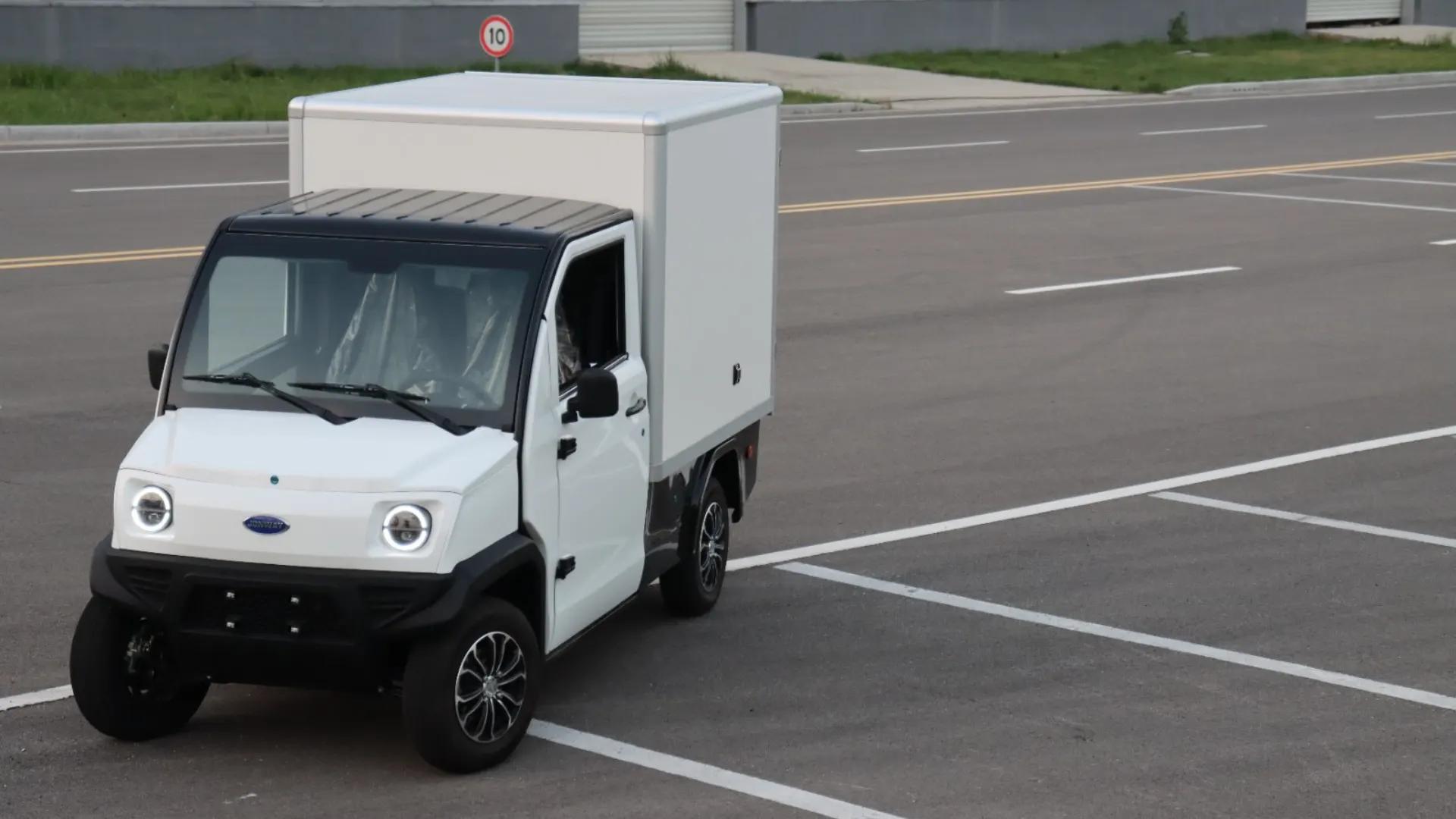
One of the first questions any logistics manager evaluating the electric transition asks is direct: how much does it cost to electrify my delivery fleet? The answer is not a single number but a total cost of ownership (TCO) analysis that compares the investment and operation of electric vehicles against combustion vehicles over their useful life.
Two cost models: CAPEX vs OPEX
There are two ways to bring electric vehicles on board, each with a different cost structure:
• **Purchase (CAPEX):** a one-time investment per vehicle. In Mexico, RAP Move models start at $135,313 MXN + VAT. You get full ownership and tax benefits such as accelerated depreciation.
• **Fleet as a Service / FaaS (OPEX):** an all-inclusive monthly payment (from $9,500 MXN/month + VAT) covering vehicle, maintenance, insurance, and support, with no upfront investment.
Components of total cost of ownership
To compare apples to apples, TCO must include every cost across the vehicle's life:
• **Acquisition or monthly rental** of the vehicle
• **Energy:** electricity costs 40% to 70% less per kilometer than gasoline or diesel
• **Maintenance:** significantly lower with no combustion engine, oil, clutch, or exhaust
• **Insurance and support:** included in FaaS; at your own expense when purchasing
• **Charging infrastructure:** can be as simple as a dedicated outlet for the fleet
The operating savings: 40-70%
The big differentiator for electric vehicles in the last mile is cost per kilometer. Urban routes — short, repetitive, and full of stops — are the ideal scenario: regenerative braking is put to work and idle consumption is eliminated. Companies report reductions of 40% to 70% in operating costs compared with combustion fleets.
Tax incentives in Mexico
The tax framework improves the equation even further. The Plan México allows deductions of up to 86% for zero-emission vehicles in 2025-2026, and several states offer tenencia vehicle-tax exemptions and driving privileges in low-emission zones. These benefits directly reduce initial CAPEX and accelerate the break-even point.
FaaS: electrify with no upfront investment
For fleets that want to avoid capital outlays, FaaS converts a fixed asset cost into a predictable operating expense. There is no CAPEX, maintenance and insurance are included, and the fleet can scale up or down with demand.
How to estimate your cost
The best way to pin down the number for your operation is to model your own routes: kilometers per day, number of vehicles, and current fuel and maintenance costs. Our savings calculator does exactly that and shows your estimated savings versus your current fleet.
Electrifying is no longer just an environmental decision: in the urban last mile, the TCO of an electric fleet is typically lower than that of a combustion fleet within a few years, especially once incentives and sustained operating savings are factored in.